Local SEO checklist: Google, Maps and the AI answers
Local search now has more doors than the map pack: Google, Apple Maps, Bing and the AI assistants that read all three. This local SEO checklist covers what each one needs, in the order I would work through it.
Or call or text (502) 387-1142
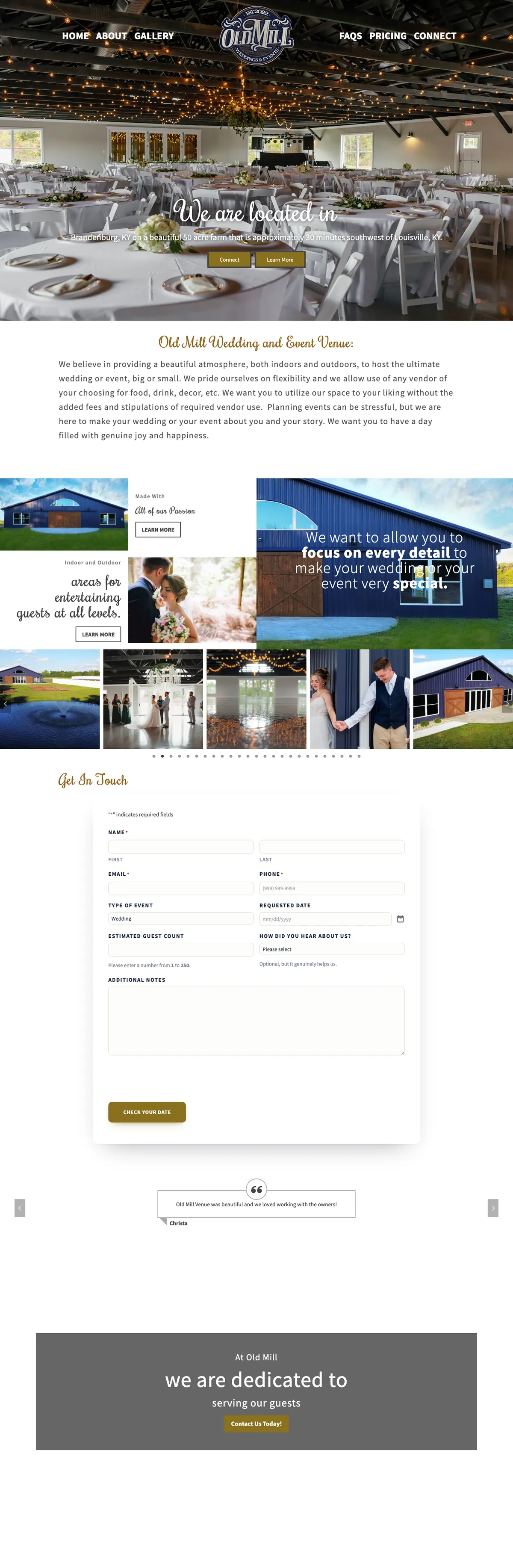



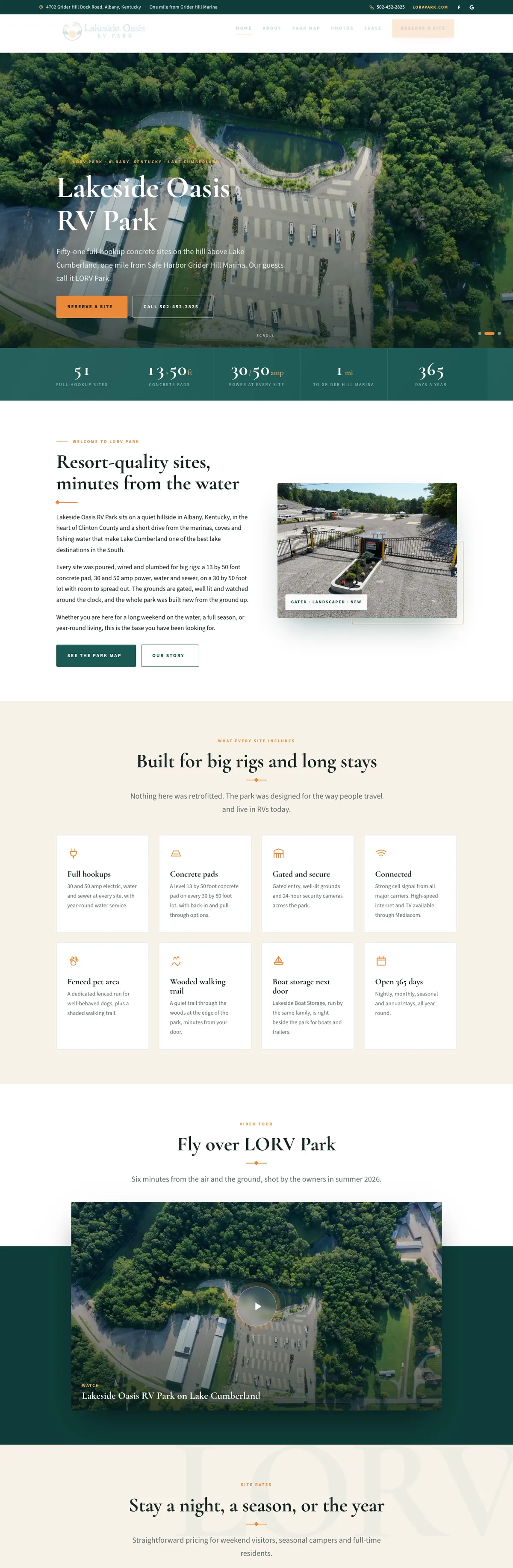
Websites I have built for Kentucky businesses


















The short answer
Claim and complete your Google Business Profile, Bing Places and Apple Business listings with the same name, address and phone number. Earn steady, honest reviews. Give each service, and each area you genuinely serve, its own useful page. Add LocalBusiness structured data. Get mentioned on a handful of trusted local and industry sites. Then measure it every month. That is local SEO, and it is also most of what gets a business named in AI answers.
Google says local results are based mainly on relevance, distance and prominence, and that there is no way to request or pay for a better local ranking. Everything on this list works on relevance and prominence. Distance is up to the person searching.
Google Business Profile
- The profile is claimed and verified.
- The business name is your real name, exactly as customers see it. Adding keywords or towns to the name breaks Google’s guidelines for business profiles and can get a profile suspended.
- The primary category is the most specific one that fits your core business, with as few extra categories as it takes.
- If you travel to customers and do not serve them at your address, the address is hidden and a service area is set.
- Hours are right, including holiday hours.
- The phone number is local, rings at your business and is under your control.
- The website link goes to the most relevant page, such as a location page for a business with several locations.
- Services are listed one by one, and the description says what you do and where.
- Real photos are added regularly, and updates are posted when there is something to say.
- Every review gets a reply.
One change to plan around: Google is reworking Business Profile Q&A. It shut down the Q&A API on November 3, 2025 while it updates the Q&A experience, and in Maps it now answers questions about places with AI through Ask Maps, drawing on place information and reviews. Your profile details and the answers on your website now carry the questions that customers used to post on the profile. If you would rather hand the profile to someone, that is Google Business Profile management.
Bing Places and Apple Business
- Bing Places for Business is claimed and complete. It can import your listing from Google Business Profile, which saves most of the typing, but check the categories afterward because they do not always carry over. Several AI assistants draw on Bing’s results, so this listing matters more than its search share suggests.
- Apple Business is claimed. It replaced Apple Business Connect on April 14, 2026, and Apple’s announcement says existing Business Connect listings moved across automatically. It controls your place card in Apple Maps, the map app built into every iPhone.
- Both listings use exactly the same name, address and phone number as your Google profile.
Consistent listings everywhere else
Search engines and AI tools cross-check your details across the web. Inconsistent ones create doubt about which is right.
- Your name, address and phone number read the same on every listing: Facebook, Yelp, the Better Business Bureau, your chamber of commerce and any trade directory.
- Duplicate listings, old addresses and old phone numbers are fixed or removed.
- Industry directories that matter in your trade list you correctly.
- Suppliers, partners and local organizations you work with mention you, with a link where it makes sense.
A handful of real, relevant mentions beats hundreds of thin directory links.
Reviews
- You ask every customer, the same way, soon after the job.
- The request uses a direct review link or QR code.
- No incentives, no asking only the happy customers, and no telling people what to write. Those break Google’s review policy and can break the FTC’s rule on consumer reviews.
- Every review gets a short, personal reply, including the bad ones.
Google says more reviews and positive ratings can help a business’s local ranking. Request wording you can copy is in how to get Google reviews without breaking the rules, and the free Google review link generator makes the link and QR code.
Your website: service pages and area pages
Your profile tells Google where you are. Your website tells it what you do and proves it.
- Each main service has its own page that opens with a plain, direct answer: what it is, who it is for, where you do it.
- Each area you genuinely serve and have something specific to say about gets its own page. A town name swapped into a template is not that.
- Headings are phrased the way customers ask questions, and each service page ends with a short FAQ.
- Your name, address and phone appear in the footer, and the phone number is a tap-to-call link.
- Real photos of your work, your people and your place appear on the pages they relate to.
The FAQs matter more now that profile Q&A is no longer something you can count on. Plain questions with plain answers are what a customer scans for, and what an AI answer can quote.
Structured data
Structured data is code that tells search engines exactly what your business is. Humans never see it.
- LocalBusiness markup on the home or contact page, using the most specific type that fits, such as Plumber or Attorney, as Google’s LocalBusiness documentation recommends.
- It includes the name, address, phone, hours, website and map coordinates, matching your profile exactly.
- It is written as JSON-LD, the format Google recommends where a site can use it.
- Links to your official profiles are listed, so search engines connect them to your site.
A note on FAQ markup: Google stopped showing FAQ rich results in its search results in May 2026, as recorded in Google’s Search documentation updates. The questions and answers on your pages are still useful to people and to AI tools; the special search display is what went away. My free local business schema generator writes the LocalBusiness code for you to paste in.
Technical basics
- The site works well on a phone, loads quickly and runs on HTTPS.
- An XML sitemap is submitted in Google Search Console and Bing Webmaster Tools.
- IndexNow is set up, so Bing and the other participating search engines hear about changed pages quickly.
- No near-duplicate pages compete for the same search. Merge them.
- Nothing important is blocked from search engines by robots.txt or a stray noindex tag.
AI answers: ChatGPT, Gemini, Copilot and Google’s AI results
AI assistants recommend businesses they can find, understand and trust. Everything above feeds them. On top of it:
- Once a month, ask the assistants the questions your customers ask, in a private window, and note who gets named and which pages get cited.
- Check Google Analytics for visits referred from the AI assistants.
- Connect Bing Webmaster Tools, whose AI Performance report shows when your pages are cited in Copilot answers.
- Keep service pages factual and specific. Assistants quote plain sentences, not slogans.
The longer version is in how to show up in ChatGPT and Google AI answers, and the service is AI SEO in Louisville.
Measure it every month
- Search Console: queries that include your town names, and which pages they land on.
- Business Profile performance: calls, direction requests and website clicks.
- Google Analytics: key events such as form submissions and phone taps, by source.
- AI checks: the same questions, asked the same way, every month.
If nothing is measured, every report is a story. Set up measurement first, then make changes one at a time so you can see what moved.
Frequently asked questions
What matters most in local SEO?
Google names relevance, distance and prominence. In practice that means a complete, verified Business Profile, steady honest reviews, and a website with a clear page for each service you offer.
Do I need a separate page for every town I serve?
Only for towns where you do real work and have something specific to say. One strong area page beats ten copies with the town name changed.
Should a service-area business show its address?
No. If you serve customers at their location and not at yours, Google’s guidelines say to hide the address and set a service area instead.
Does Google Business Profile still have questions and answers?
Google shut down the Business Profile Q&A API in November 2025 while it reworks Q&A, and Maps now answers many questions about places with AI drawn from place details and reviews. Put your common questions and answers on your website.
What happened to Apple Business Connect?
Apple replaced it with Apple Business on April 14, 2026, and existing listings moved over automatically. Log in there to manage your Apple Maps place card.
How long does local SEO take?
Fixing a profile and listings can help within weeks. Reviews, pages and mentions build over months. Anyone promising the top of the map pack by a date is guessing.
Allied Plumbing: Bardstown is home, Elizabethtown is on the route.
Allied Plumbing’s site gives each of eight services its own page, with a symptom checklist, a walkthrough of the visit, the things that move the price, a local note and the questions people ask. Elizabethtown, where the company is growing, has a page written for that town rather than a city name swapped into a template.
Search Console, the sitemap and IndexNow were set up at launch, with events for phone clicks and form submissions. The case study does not claim rankings or leads, and neither does this page. It shows the groundwork done properly.

Want this checklist run on your business?
I will check your profiles, listings, reviews and website against this list and tell you, in plain English, what to fix first. Call, text or book a time.