How Do I Get My Business to Show Up in ChatGPT and Google AI Answers?
AI tools recommend businesses they can find, understand, and trust.
Or call or text (502) 387-1142
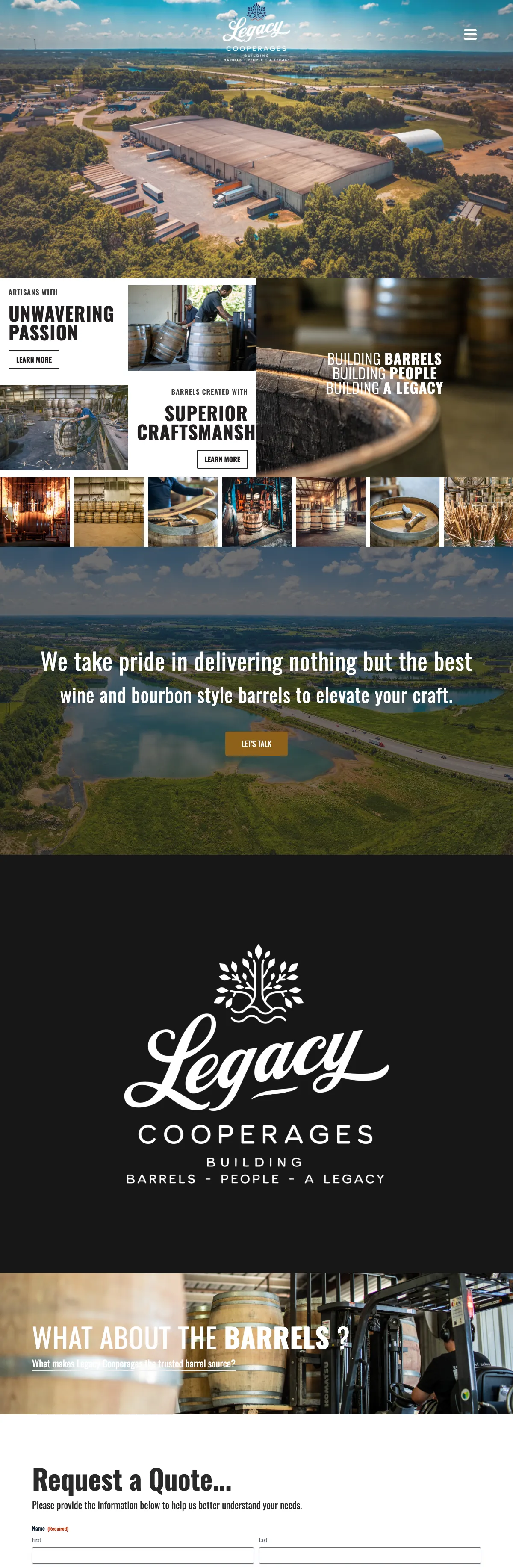

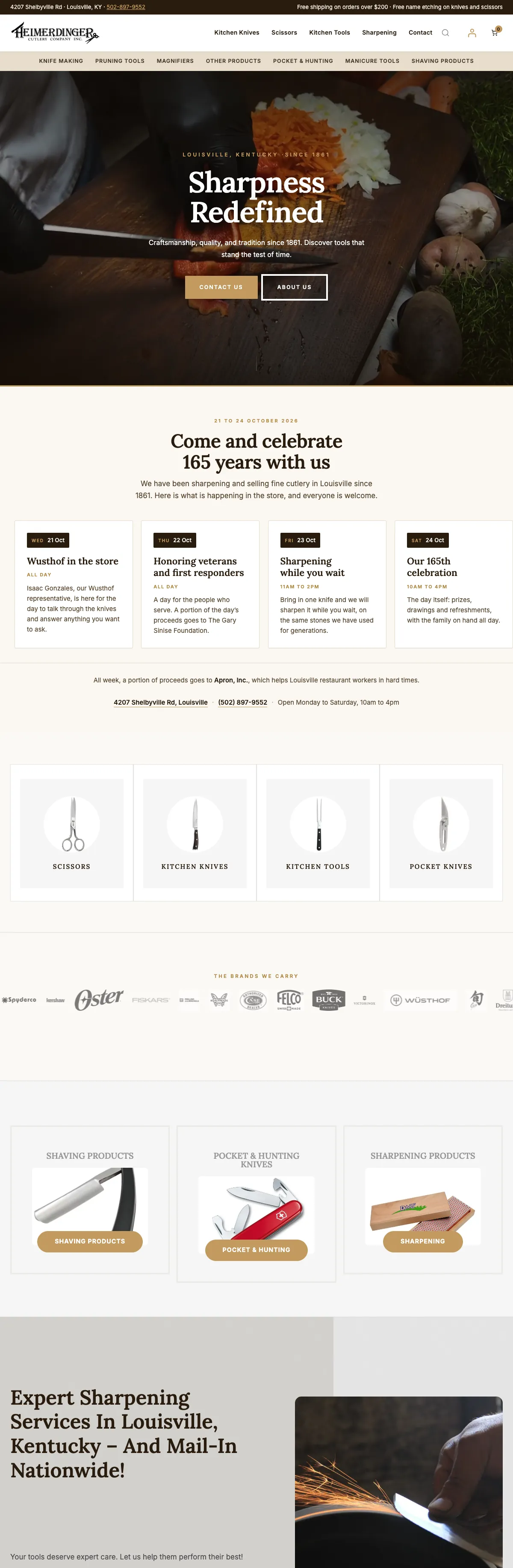

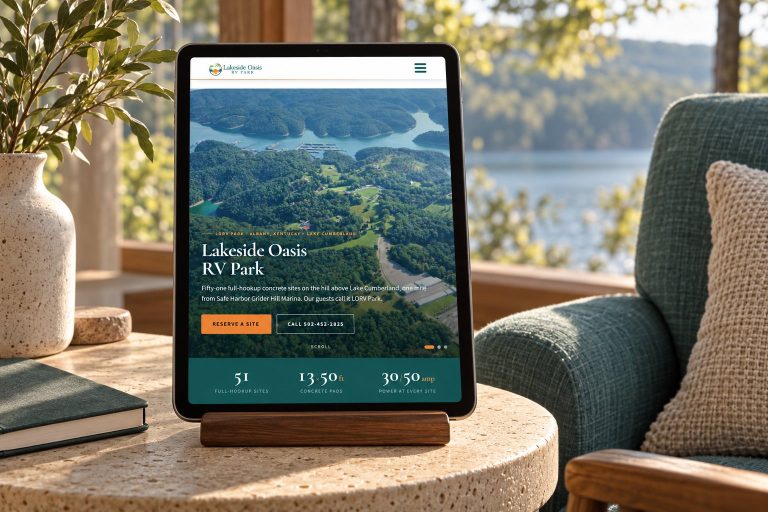
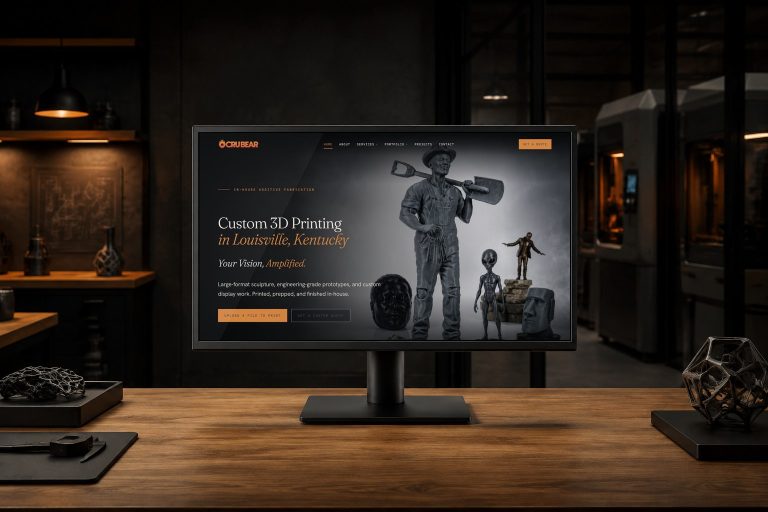
Websites I have built for Kentucky businesses



















The short answer
AI tools recommend businesses they can find, understand, and trust. That means a complete Google Business Profile and Bing Places listing, steady real reviews, clear service pages that answer customer questions directly, structured data (schema) that spells out who you are, and mentions of your business on other trusted sites. None of it is magic. It is good local SEO, written so a machine can quote it. My local SEO and AI answers checklist covers each piece.
How do ChatGPT and Google AI decide which businesses to mention?
AI answers are built from what these tools can read on the web. Google AI Overviews lean on Google’s own search index and Business Profiles. ChatGPT and several other assistants use web search, often drawing on Bing’s index. They look for pages that clearly answer the question, and they favor businesses that appear consistently across trusted sources.
If your website is vague, your listings are incomplete, and nobody else mentions you, the AI has little to work with.
Why does my Google Business Profile matter for AI search?
For local questions like “best plumber near me” or “web designer in Louisville,” Google pulls heavily from Business Profiles. Make sure yours has:
- The correct business name, address or service area, phone, and hours
- The right primary category and relevant secondary categories
- A full description of what you do and where
- Your services listed individually
- Real photos, added regularly
- Regular posts about your work
Do I need Bing Places too?
Yes. Many AI assistants rely on Bing’s search results, so a claimed and complete Bing Places for Business listing is worth the few minutes it takes. Keep your name, address, and phone number exactly the same everywhere, including Apple Business Connect and industry directories.
How much do reviews matter?
A lot. Reviews tell both Google and AI tools that real customers trust you. Detailed reviews that mention the service and the town are especially useful, because they give the AI specific language to connect you with a question. Ask happy customers for reviews as part of your normal process, and reply to them. A direct Google review link and QR code makes the ask easier.
What should my service pages look like?
AI tools quote pages that answer questions plainly. For each main service:
- Give it its own page, not one paragraph on a crowded “Services” page
- Start with a short, direct answer to what the service is and who it is for
- Say where you work
- Use headings phrased like the questions customers ask
- Include a short FAQ
- Keep the writing plain and specific
This article follows the same structure on purpose.
What is schema, and do I need it?
Schema is structured data added to your site’s code that tells search engines exactly what things are: your business name, address, phone, services, reviews, and FAQs. Humans do not see it, but machines read it. It removes guesswork, which makes it easier for AI tools to describe your business correctly. You can build the basic block with my free local business schema generator.
What is llms.txt?
llms.txt is a simple text file placed on your website that gives AI tools a clean summary of your business and links to your most important pages. It is new and not every AI tool uses it yet, but it is easy to add and it points assistants straight to the content you want them to read. I add it, along with automatic notices to search engines when pages change, to the sites I manage.
How do I get cited by other sites?
AI tools trust businesses that other sources mention. Useful places include:
- Local chambers of commerce and business associations
- Industry directories relevant to your trade
- Local news or community sites
- Suppliers, partners, and organizations you work with
- Well-maintained listings on sites people actually use
Quality matters more than quantity. A handful of real, relevant mentions beats hundreds of spammy directory links.
What are the best tools for checking whether my business shows up in AI answers?
No tool can put your business into an AI answer. Tools only tell you whether it is there. Everything above is what gets you in; the tools below show whether it is working. Most small businesses can start with the free ones and never need the rest.
The assistants themselves (free)
Ask ChatGPT, Google (AI Overviews and AI Mode), Perplexity and Microsoft Copilot the questions your customers ask, such as “who builds websites in Louisville,” and write down which businesses get named and which pages get cited. Use the same questions every month, signed out or in a private window, so your own history does not shape the answer. It is the most direct check there is, and it is where every AI visibility review I do starts.
Google Analytics (free)
When an AI answer sends someone to your site, the visit usually shows up as a referral from chatgpt.com, perplexity.ai, copilot.microsoft.com or gemini.google.com. A simple report on those sources tells you whether AI answers are sending people your way. Some of these visits arrive with no referrer and look like direct traffic, so treat the number as a floor.
Google Search Console and Bing Webmaster Tools (free)
Search Console counts clicks and impressions from Google’s AI Overviews and AI Mode inside its normal web search totals rather than breaking them out, so it shows the overall trend, not the AI share. Bing Webmaster Tools now has an AI performance report that shows when your pages are cited in Copilot answers, which is the closest thing to a free citation report today. Both are free, and both are worth connecting. My guide shows how to check whether AI Overviews are costing you clicks.
SEO suites with AI tracking (paid)
Ahrefs and Semrush, the two SEO tools I work in most, have both added AI visibility tracking: Ahrefs through Brand Radar, Semrush through its AI visibility tools. They show where a brand is mentioned or cited across AI answers for a set of questions. They are priced for people who already use those suites, and for one local business they are usually more than you need.
Dedicated AI visibility trackers (paid)
A newer group of subscription tools does only this. They run a fixed list of questions through several assistants on a schedule and chart how often your business is named next to competitors. They suit brands watching many products or markets. For a local business with a handful of services, the free checks above usually tell you the same thing.
So which tool is best?
For most small businesses: the assistants themselves plus Google Analytics, checked once a month, with Search Console and Bing Webmaster Tools connected because they cost nothing. Pay for tracking only when you have more questions to watch than you can check by hand. If you would rather I run the checks and fix what they find, that is part of AI search optimization in Louisville.
How long does it take to show up in AI answers?
There is no fixed timeline, and anyone who guarantees placement in ChatGPT is overselling. What I can do is make sure every piece is in place so your business is easy to find, easy to understand, and easy to trust. Over time, that is what earns mentions.
You can see how I approach this on my AI SEO page. It builds on the same foundation as traditional search engine optimization.
Frequently asked questions
Is AI search optimization different from regular SEO?
It builds on the same foundation. The difference is extra focus on clear answers, structured data, and being mentioned across trusted sources.
Can I pay to be recommended by ChatGPT?
Not in the normal answers. Visibility there is earned through your website, listings, reviews, and mentions.
Does my website need to be rebuilt for AI search?
Not always. Many sites need clearer service pages, schema, and better listings rather than a full rebuild.
Do small local businesses really show up in AI answers?
Yes. For local questions, AI tools often recommend nearby businesses with strong profiles and reviews.
Can you help my business use AI in other ways?
Yes. Beyond search, I help businesses with AI consulting and AI automation for practical tasks like lead handling and repetitive admin work.
Can I connect my Google Business Profile to ChatGPT?
Not directly. There is no setting that links the two. ChatGPT finds businesses by searching the web, so what helps is a complete Google Business Profile and Bing Places listing, the same name, address and phone everywhere, and a website that answers questions plainly.
Talk it through with me.
Want to know how your business looks to ChatGPT and Google right now? Call me at (502) 387-1142 or book a time and I will walk you through it.