Choosing a web designer for a small business: freelancer, agency or DIY.
The quote you compare on day one is the smallest part of what a website costs. Over three years the real bill is the platform, the changes, the fixes, your own time and whether you have to start over. Here is how each route adds up, from a one-person studio that is honest about its own trade-offs.
Or call or text (502) 387-1142
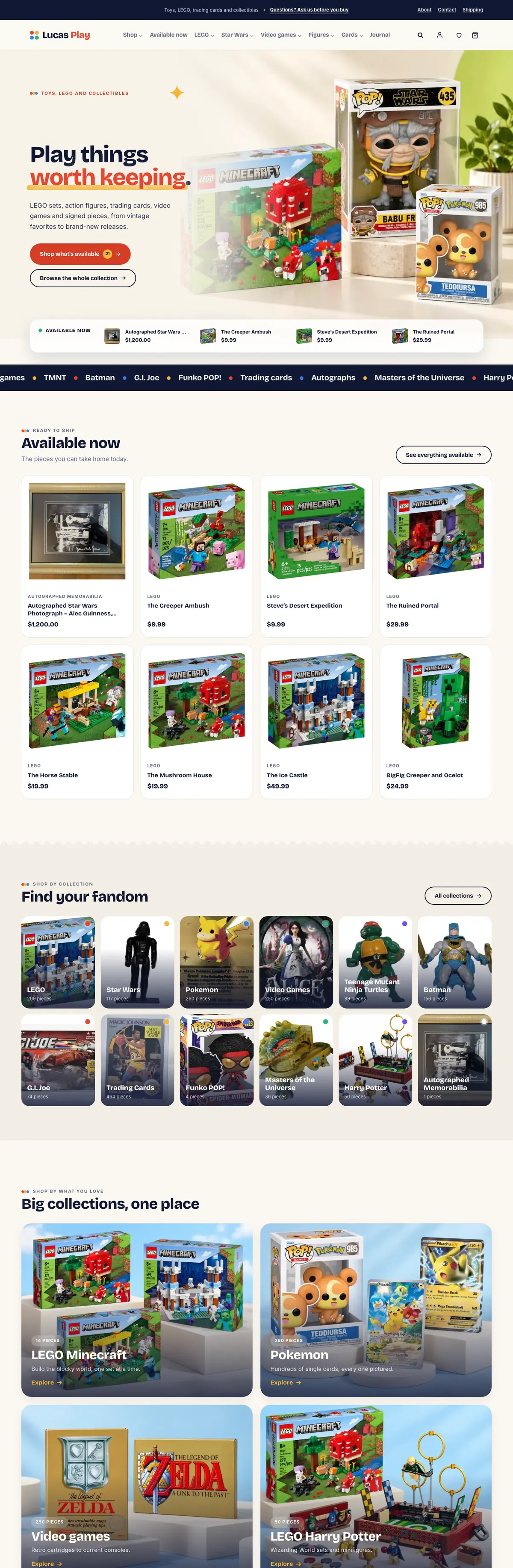



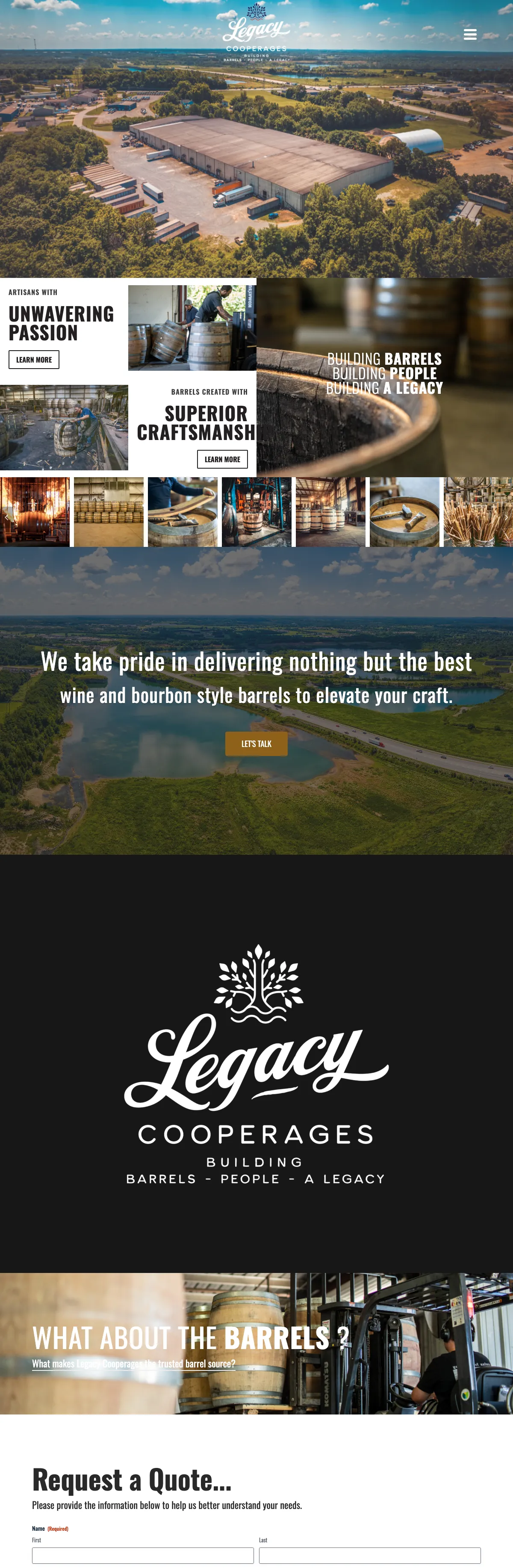
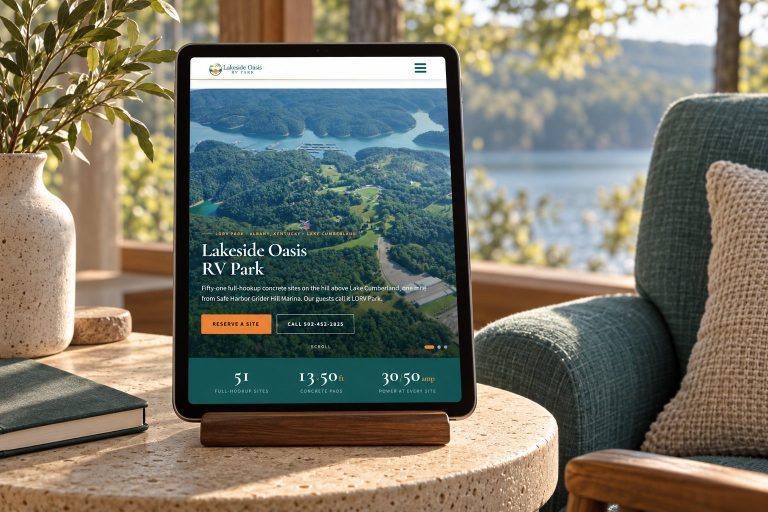
Websites I have built for Kentucky businesses


















Choosing a web designer for a small business: the short answer
A DIY builder costs the least to start and the most of your own time, and you rent the site for as long as it exists. An agency brings a team and a process at rates that carry the team’s overhead, and the person who knows your site may not be there in year three. A freelancer or one-person studio sits between them: one person who builds it, knows it and answers for it, with the risk that everything depends on that person.
When you are choosing a web designer for a small business, judge each route by the next three years of work, not the first invoice, and by who answers the phone when something breaks.
What a website really costs over three years
Every route pays for the same list of things. The difference is who does each one and how it is billed.
- The build: design, writing, photography, pages, forms and features.
- The platform or hosting: a builder subscription, or hosting for a site you own.
- The domain and email, usually billed separately and easy to forget.
- Licenses and add-ons: premium plugins, builder apps, booking or form tools.
- Care: updates, backups, security and monitoring.
- Changes: new pages, new services, seasonal updates, a new feature in year two.
- Your time: every hour you spend fighting an editor is an hour off the business.
- The cost of going wrong: an outage, a hacked site, lost form emails or a rebuild because the first one could not grow.
Add those up for 36 months and the cheapest first quote is often not the cheapest website. For what drives each line in Louisville, see what a small business website costs, website maintenance costs and website hosting costs.
The DIY builder route
You pick a builder such as Wix or Squarespace, choose a template and build it yourself.
What you pay: a subscription every month the site exists. As one example, Squarespace’s pricing page in October 2026 lists its Core plan at twenty-nine dollars a month billed annually, which comes to a little over one thousand dollars across three years before any domain, email or add-ons. Prices change, so check the current page.
What it costs in other ways: your evenings, a design limited to what the template allows, and the features the builder does not offer. Leaving later usually means a rebuild, because builders export little or nothing usable.
Where it is the right call: a new business testing an idea, a one-person service with a simple message, or an owner who enjoys doing it. I compare the builders in WordPress vs Wix and WordPress vs Squarespace.
The agency route
An agency gives you a team: a salesperson, a project manager, designers, developers, writers and often marketing specialists.
What you get: capacity, a defined process and specialists for each part. For a large site, a tight deadline, or a company that needs brand, campaigns and a website delivered together, that structure is worth it.
What it costs: rates that include the team, the office and account management. Monthly retainers are common after launch. And people move: the designer who understood your business in year one may have left by year three, so knowledge has to be handed over and sometimes relearned.
Questions to ask an agency: who will actually build my site, who will maintain it after launch, and what happens if that person leaves?
The freelancer or one-person studio route
One person does the work. The person you brief is the person who builds, launches and looks after the site.
What you get: no handoffs, no account managers and nobody between you and the work. The person who answers your email knows how your site was built, because they built it. Lower overhead usually means less of your money goes to things other than the work.
What it costs: capacity is limited, and everything depends on one person. If they get sick, get busy or quit, you need a plan.
How to protect yourself: keep the domain in your name, keep an administrator login of your own, make sure offsite backups exist that you can reach, and ask for the hosting and plugin licenses to be in your name or documented. With those in place, the main risk of a one-person studio is covered, and the relationship does not depend on staff turnover. Who owns your WordPress website lists exactly what to ask for.
The costs that show up in year two
The expensive problems are rarely in the quote. In September 2026 I moved more than twenty client websites from older shared and reseller hosting onto my own server, and the moves turned up the kind of costs nobody budgets for:
- Backup jobs that had silently stopped, with nobody told.
- An email record missing the mail relay, so Google was quietly discarding a client’s website form notifications.
- WordPress caching that served compressed files incorrectly, so some visitors got a download instead of a page.
None of those show up on a launch-day invoice. They show up when nobody is responsible for the site after launch. Whatever route you choose, decide in writing who handles updates, backups, monitoring and email delivery. A web design contract should say so.
Questions that reveal the real three-year cost
Ask every option the same questions, and compare the answers rather than the first number:
- Who owns the domain, the hosting account, the files and the content?
- What exactly is included after launch, and for how long?
- Who installs updates, how often, and what happens if one breaks the site?
- Where are the backups kept, how often are they made, and has a restore been tested?
- How are changes billed: per request, by the hour or included?
- If I stop paying, what do I keep, and can I get a full copy of the site?
- Who answers at nine at night when the site is down or the checkout fails?
- Can I talk to two clients who have been with you for more than three years?
My guide on how to choose a Louisville web designer goes deeper on red flags.
Choose DIY if, choose an agency if, choose a freelancer if
Choose a DIY builder if
- You are testing an idea or need something simple immediately.
- You enjoy building it and will keep it updated.
- You accept the platform’s limits and the rebuild if you outgrow it.
Choose an agency if
- The project is large, deadline-driven or needs several specialists at once.
- You want brand, campaigns and website from one team.
- You have the budget for team rates and someone on your side to manage the relationship.
Choose a freelancer or one-person studio if
- You want to deal directly with the person doing the work.
- The site needs real craft and some custom features, without agency overhead.
- You value one long relationship, and you have checked that the person has the track record, the systems and the client tenure to back it up.
How I work, for comparison
I am a one-person studio in Louisville and have built websites for businesses here since 2000, so it is fair to show you how I handle the risks I described above:
- One conversation, then a written scope with a price for the work, before anything starts.
- You own it. The domain stays in your name, and the site, its content and its files are yours to take anywhere.
- Hosting I watch myself: client sites run on my own dedicated server behind Cloudflare, every site is checked from outside every 60 seconds, databases are backed up offsite daily and files weekly, and updates run with a snapshot first.
- Long relationships: Vendome Copper & Brass Works is on its second website with me after more than a decade, and I have run Kentucky Peerless’s brand, web and marketing from the client side since 2014.
If that sounds like the right fit, Louisville web design company is where to start. If an agency or a builder suits you better, this guide should help you hire well anyway.
Frequently asked questions
How much should a small business pay for a website?
It depends on what the site has to do, how many pages and features it needs and who maintains it afterwards. Compare quotes against the same written scope, and add three years of hosting, care and changes before deciding which is cheaper.
Is a freelancer cheaper than an agency?
Usually, because there is less overhead in the rate. Compare what is included, though: a freelancer quote without hosting, updates or support can cost more over three years than an agency quote that includes them.
What happens if my web designer disappears?
If the domain, hosting and an administrator login are in your name and offsite backups exist, another developer can pick the site up. If they are not, you may be locked out. Sort that out now, whoever you hire.
Should I build my own website with Wix or Squarespace?
It is a good choice for a simple site or a new business testing an idea. Once the site needs custom features or serious search traffic, many businesses outgrow the builder and pay for a rebuild.
Is it better to hire a local web designer?
It helps, though it is not essential. A local designer knows the market, can photograph your work and can meet in person. What matters most is that the person who builds the site is reachable and accountable after launch.
Ten years, two websites, one person.
Vendome Copper & Brass Works has built stills in Louisville since 1903. When the first site I built for them had done its years of service, they came back for the second: a large equipment catalog with an extensive request-a-quote system at its heart.
I designed it, built it and host it. When something needs changing, the person they call is the person who wrote it.

Comparing quotes for a new website?
Send me what you have been offered and what the site needs to do. I will tell you honestly how the options compare over three years, even if I am not the right fit.