ChatGPT for business: 25 practical ways to use it safely.
Most owners try ChatGPT once, get a bland paragraph and give up. Used as a fast first-draft partner with clear instructions, it gives back real hours every week. Here are 25 specific jobs it does well, the settings to check first, and what never to paste into it.
Or call or text (502) 387-1142

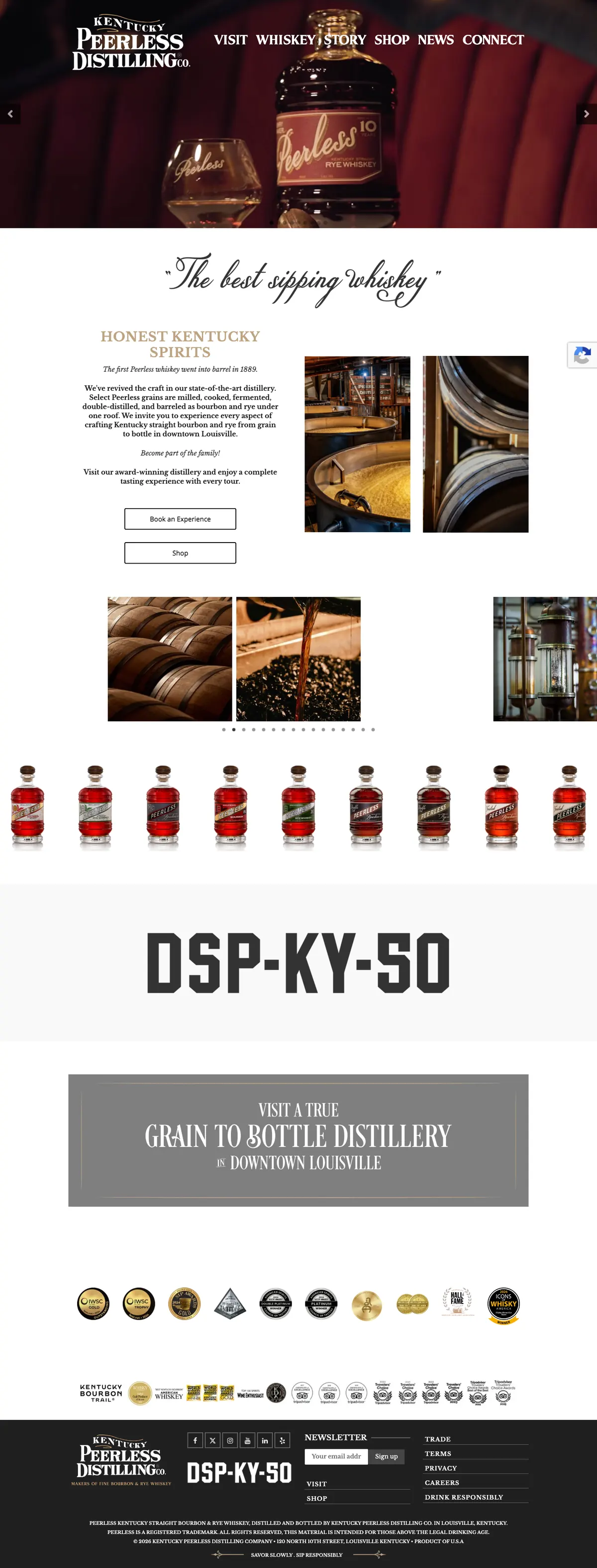

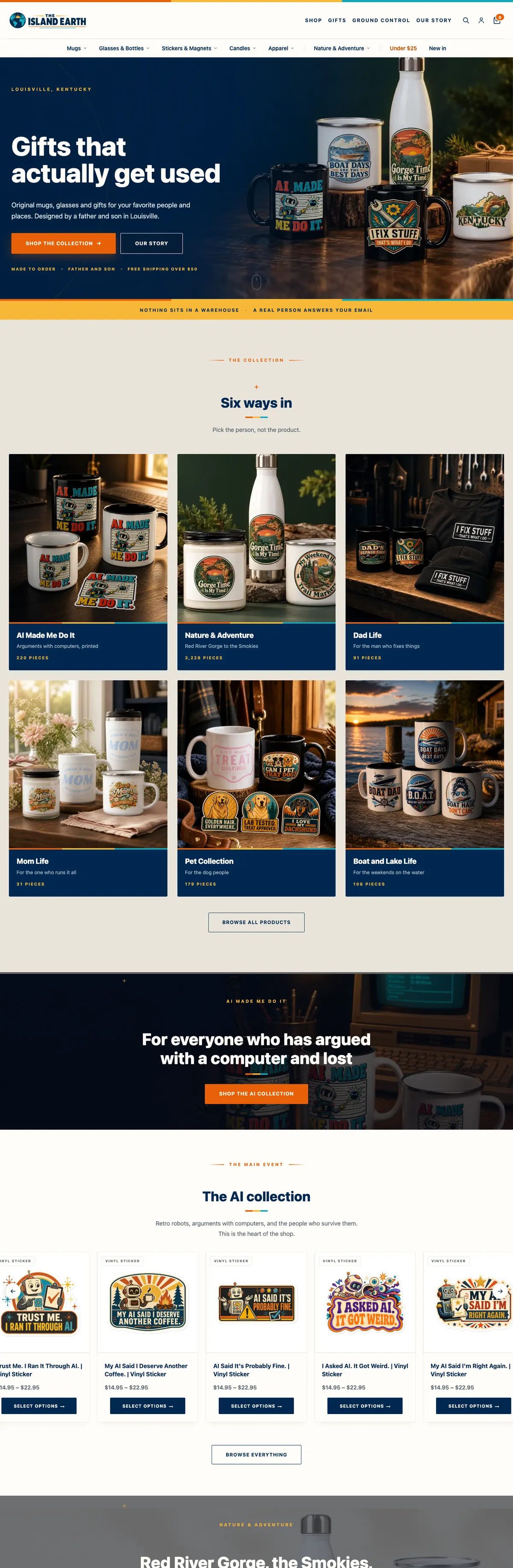
Websites I have built for Kentucky businesses


















The short answer
ChatGPT for business works best on first drafts, rewording, summaries and plans: emails, review replies, FAQ answers, checklists, job ads and meeting prep. It is weak on facts it cannot check, current prices and laws, and anything that needs your judgment.
Give it context, check everything before it leaves the building, and keep customer and employee personal information out of it.
Before you start: three settings and one rule
Spend five minutes here before anything else.
- On a personal plan (Free, Go, Plus or Pro), OpenAI can use your conversations to improve its models unless you switch that off. Go to Settings, then Data controls, and turn off “Improve the model for everyone,” as OpenAI’s data controls help page shows.
- For a one-off sensitive question, use a Temporary Chat. OpenAI says those chats are not used to improve its models, do not appear in your history, and may be kept for up to 30 days for safety.
- If staff use it for work, a business workspace (ChatGPT Business, formerly called Team, or Enterprise) keeps your company’s data out of model training by default and lets you control who has access.
- Personal and business accounts are not the same thing. A personal account belongs to whoever signed up, and the settings above are theirs to change. A business workspace is managed by the company, with its own retention and access settings and an owner who handles exports and removing people.
- Excluded from training still means stored. Whatever the plan, your chats sit on someone else’s servers for a time.
And the rule: do not paste customer or employee personal information into ChatGPT. No names with addresses, phone numbers, card numbers, passwords, health details, Social Security numbers, personnel files or anything under a confidentiality agreement. Swap real names for “Customer A” or “the homeowner.” The draft comes out the same.
Customers and everyday writing
1. Draft the reply to a tricky email
Paste the customer’s message with the name removed, explain what happened in two lines, and ask for three versions: short, warm and firm. Pick one and rewrite it in your own words. It beats staring at a blank screen while you are annoyed.
2. Answer a review, good or bad
Ask for a calm, specific reply that thanks the customer or addresses the complaint without arguing. Add one real detail only you know, and never let it promise anything you have not decided.
3. Turn job notes into a quote cover letter
Give it the scope in bullet points and ask for a one-page letter a homeowner can follow. It writes the wrapper. You supply every number and every promise.
4. Rewrite your policies in plain English
Paste your cancellation, warranty or returns policy and ask for a version a customer will actually read, with the same meaning. Then compare the two line by line, because meaning drifts.
5. Write reminder and follow-up messages
Ask for an appointment reminder, a check-in after the job and a review request, in your voice and short enough for a text message. Load them into the tools you already use.
6. Translate a customer notice
Have it translate a notice, a sign or a set of aftercare instructions into Spanish or another language your customers speak. Ask a fluent speaker to check it before it goes up.
7. Explain a technical job to a customer
Describe the repair your way and ask for an explanation someone with no trade knowledge would follow. Useful for estimates, warranty letters and the “why did this cost more than I thought?” call.
Marketing and your website
8. Outline a service page from your own notes
Talk through what you do, for whom, where, and why people pick you, then ask for an outline with headings. Fill it with your facts, photos and proof. If the page also needs to rank, that is search engine optimization work, and an outline is only the start.
9. Build a list of real customer questions
Ask what a first-time customer would want to know about your service, then check the list against the questions you actually hear. The overlap becomes your FAQ, and clear answers on your site are what AI search tools quote. More in how to show up in ChatGPT and Google AI.
10. Turn a finished job into a social post
Describe the job, the problem and the result in a few lines and ask for three short posts. Add the real photo and cut anything that sounds like an ad.
11. Write photo captions and alt text
Describe what is in each job photo and ask for a one-line caption and a plain description for screen readers. It does not know what made the job special. You do, so add it.
12. Draft a monthly email newsletter
Paste a month of notes, finished jobs and news, and ask for a short newsletter with one clear reason to get in touch. Send it only to people who asked to hear from you.
13. Brainstorm headlines and offers
Ask for twenty headline options for a page, an ad or a flyer, then pick the two that sound like you and try them. Ten minutes of options beats an afternoon of second-guessing.
One line not to cross: never use it to write reviews or testimonials. The FTC’s rule on consumer reviews, in force since October 21, 2024, bans fake reviews that misrepresent who wrote them, AI-generated ones included.
Running the business
14. Turn a voice memo into a checklist
Record yourself explaining how a job is done, paste the transcript, and ask for a step-by-step checklist. That is the start of the training manual you never had time to write.
15. Write a job ad and interview questions
Describe the role, the pay you have already decided and what the best people in that job do differently. Ask for a plain job ad and ten interview questions that test for it.
16. Make a training quiz for a new hire
Paste your checklist or safety procedure and ask for a short quiz with answers. It shows quickly what a new person missed.
17. Summarize a long document
Ask for a plain summary of a long vendor agreement, insurance policy or software terms, with the clauses about money, cancellation and liability pulled out. Then read those clauses yourself, and have your attorney read anything that matters. Remove anything confidential before you paste.
18. Write and explain spreadsheet formulas
Describe what you want, such as “total each customer’s invoices for the year,” and ask for the formula for Excel or Google Sheets with an explanation. Test it on a copy of the sheet first.
19. Plan a week or a project
Paste a messy list of tasks and deadlines and ask for a day-by-day plan, with what can wait. It does not know your crew or your customers, so treat it as a first pass.
Thinking it through
20. Rehearse a hard conversation
Ask it to play a customer disputing a bill, an employee asking for a raise or a supplier raising prices. Practicing the first two minutes out loud makes the real one easier.
21. Prepare for a meeting with a professional
Before you see your accountant, your attorney or a web designer, ask what questions you should bring. My guide on choosing a Louisville web designer has a few of mine.
22. Argue against your own plan
Describe a decision you are leaning toward and ask for the strongest case against it. It is a cheap way to find the hole before your money does.
23. Compare options you have collected
Paste the published details of two or three vendors or quotes and ask for a side-by-side list of what each includes and leaves out. It can only compare what you give it, so go back to the source for anything that decides it.
24. Decode jargon on a bill or a quote
Paste a confusing line from a hosting invoice, an insurance letter or a software quote and ask what it means in plain words, then confirm it with the company that sent it. My website glossary covers the web terms.
25. Draft a brief for your next project
Answer a few questions about your business, your goals and your timing, and ask for a one-page brief to send to vendors. It makes the quotes you get back far easier to compare. There is a fuller version in my website RFP template.
How to get better answers
Most bland answers come from bland requests. Five habits fix most of it:
- Give it the situation. Who you are, who the reader is, and what you want them to do next.
- Show an example. Paste something you wrote that sounds right and ask it to match the tone.
- Ask it to ask first. “Before you write this, what do you need to know?” gets a better draft.
- Say what to leave out. No exclamation marks, no buzzwords, under 150 words.
- Keep what works. Save the requests that gave good results in a shared document so everyone who works with you can reuse them.
What ChatGPT gets wrong
It writes with the same confidence whether it is right or wrong. Check these every time:
- facts, figures, dates, laws and prices, which it can state wrongly or out of date
- quotes and sources, which it can invent
- anything about your local market, which it may know little about
- arithmetic inside a long answer
- tone, because a draft that sounds like everyone else’s does nothing for you
One rule covers most of it: ChatGPT writes the first draft, and a person decides what goes out. Do not let it talk to customers on its own until you have read whether an AI chatbot belongs on your website.
Beyond ChatGPT for business: automating the work
Everything above is you, a browser window and a few minutes at a time. The next step is connecting AI to the systems you already run, so inquiries are summarized and sorted, replies are drafted and waiting for your approval, and a short report comes to you. That is AI automation, and it is where most of the hours come back.
I run my own studio in Louisville on AI assistants I set up myself, from drafting and research to watching the servers that host my clients’ websites, and every one follows the same rule: AI drafts, a person decides. If you want help working out where AI fits in your business at all, start with a conversation with an AI consultant.
Frequently asked questions
Is ChatGPT safe to use for business?
For drafting and planning, yes, if you keep personal and confidential information out of it and check what it writes. On a personal plan, switch off model training in Data controls. If staff use it with company information, a business workspace keeps that data out of training by default.
Which ChatGPT plan should a small business use?
A solo owner can start on a personal plan with training switched off. Once employees use it for work, a business workspace makes sense, because the company controls the accounts and its data is excluded from training by default. Check OpenAI’s current plan pages before you buy, because plans change.
Can ChatGPT write my website?
It can draft outlines and first versions. It cannot supply what makes a page worth reading: your facts, your photos, your proof and your voice. Pages that sound like everyone else’s rarely win customers.
Can ChatGPT answer my customers automatically?
Only with care. Anything that speaks for your business should be checked by a person first or limited to answers you have approved. My guide to website chatbots explains how to test one before it goes live.
How much time can ChatGPT save a small business?
It depends on how much of your week is writing, summarizing and planning. Pick the three jobs you put off most, use it on them for a week, and keep only the uses that clearly save time.
Want AI working in your business, not just in a browser tab?
Tell me which jobs eat your week. I will tell you which ones ChatGPT handles on its own, which are worth automating, and which should stay with a person.