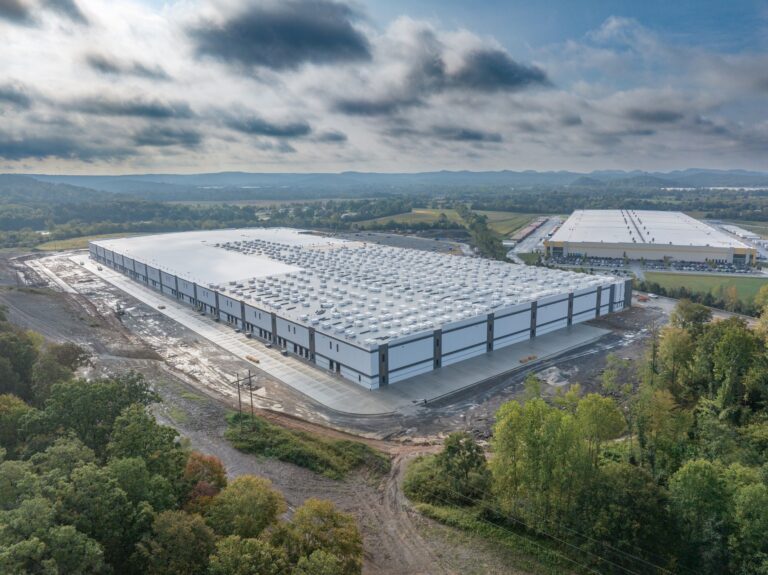
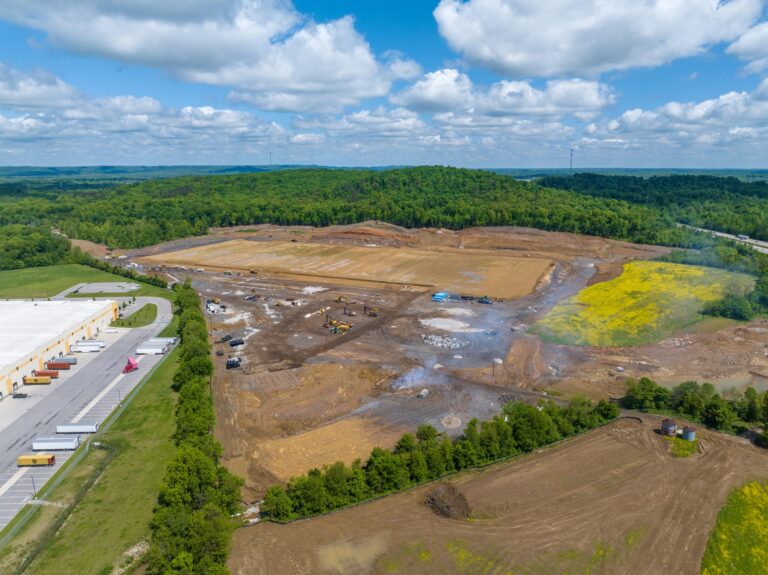
WHO IT IS FOR
Who actually watches your construction progress video
Progress video gets commissioned as a marketing item and then spends most of its life doing other jobs entirely. Knowing who ends up watching it changes what is worth filming.
FORMAT
4K aerial and ground
LENGTH
Short cuts, event pieces, or raw
CADENCE
Per milestone or monthly
REGION
Indiana and Kentucky
THE SURPRISE
Marketing is the smallest audience
Almost everyone who orders a progress video is thinking about the company website and a LinkedIn post. Both are real. Neither is where the file gets the most use.
In practice the footage circulates internally far more than externally, and it settles arguments more often than it wins work. That is not a criticism of the marketing case. It is a reason to film with slightly different priorities than a promo piece would suggest.
WATCH
An Indiana jobsite from above
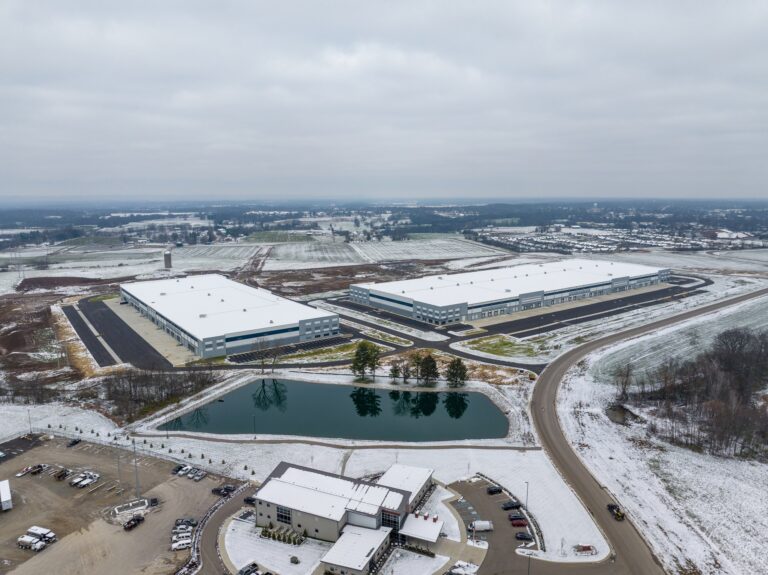
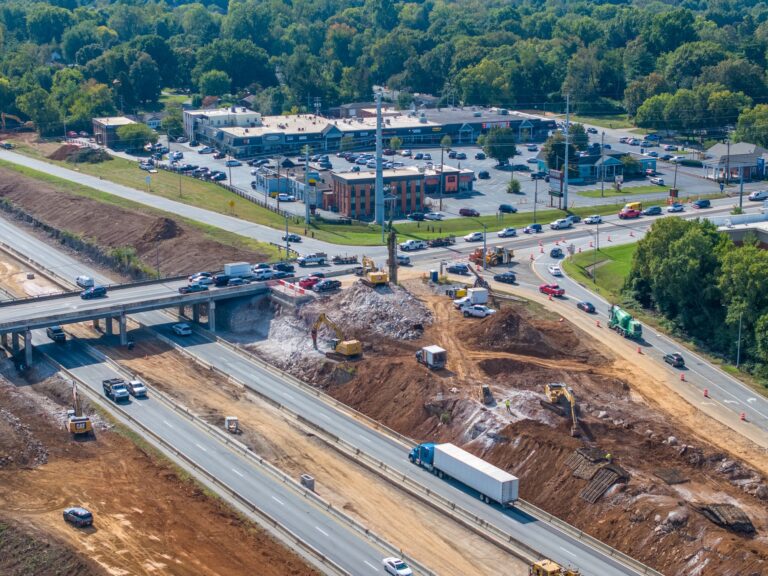
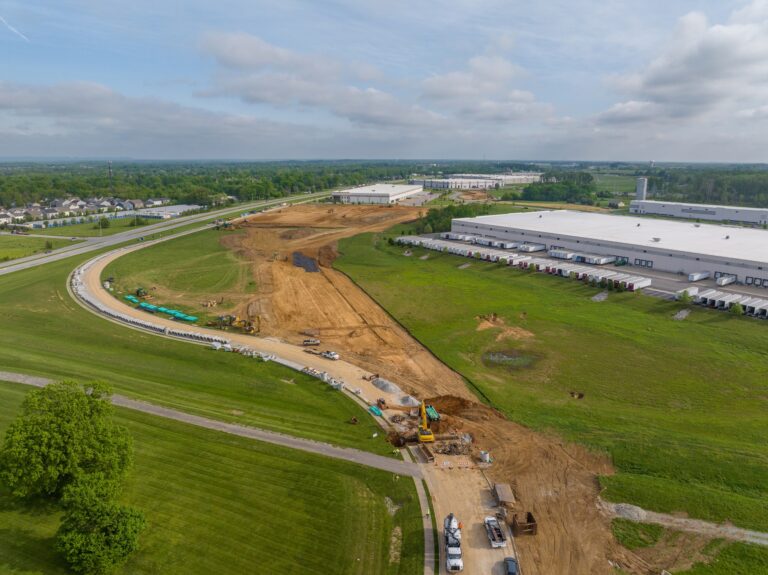
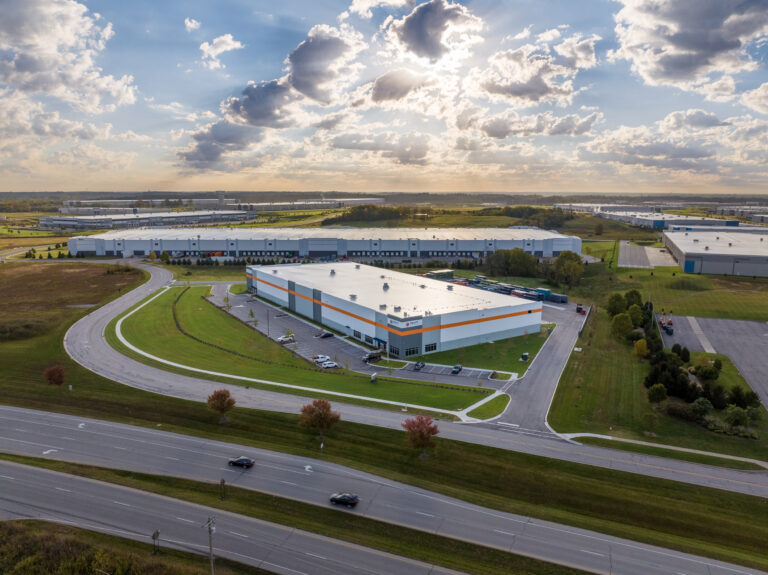
Progress footage from a Southern Indiana commercial build.
THE ACTUAL AUDIENCE
Six people who will open the file
The owner
Wants reassurance that the money is turning into a building. A ninety second cut does this better than a written update, and it gets forwarded.
The project executive
Watching for what the schedule narrative does not say. Aerial footage is the fastest way to see whether a site looks like the report claims.
Subcontractors
Use it for coordination and sequencing, particularly on congested sites where nobody has a clear view of anyone else’s work.
Lenders and investors
Draw reviews go faster with visual evidence attached. This is unglamorous and it is one of the highest value uses of the footage.
City and public bodies
On anything visible or disruptive, footage that explains the work does more for public patience than a notice board.
The pursuit team
Two years later this becomes the strongest material in an interview, because it shows the build rather than describing it.
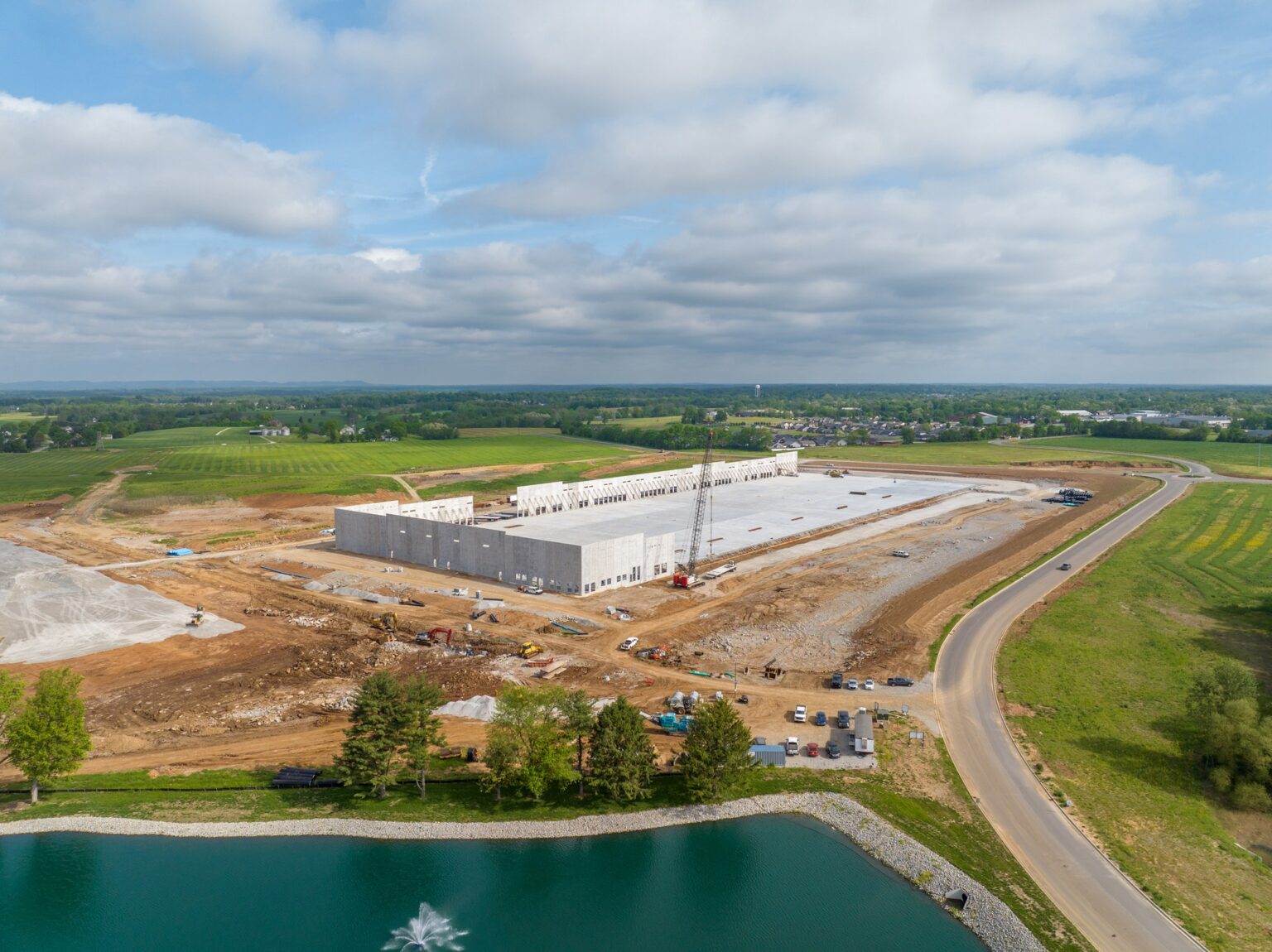
Wide, steady, and repeatable: the coverage that keeps earning its place.
WHAT TO FILM DIFFERENTLY
Film for the room, not the reel
Once you accept that most viewings happen in a meeting, the shot list changes. Wide establishing passes matter more than dramatic low reveals. Steady beats cinematic. And a clean top down at the start of every visit is worth more than any other single shot.
The marketing cut still gets made, and it is better for having real coverage behind it. But building the shoot around the working audience means the file is useful for two years instead of one week.
NEXT
Getting the mix right
If you are deciding between motion and stills, the video or photos comparison is the place to start. For ground and interior coverage alongside the aerial work, see video production.
WHAT THIS CHANGES ABOUT THE BRIEF
Film the site, not the sizzle
Once you accept that most viewings happen in a meeting rather than on a feed, the shot list inverts. The dramatic low reveal that looks good in a showreel is close to useless in a draw review. The boring overhead that nobody would put in a trailer is the frame that gets opened forty times.
The practical consequence is a preference for coverage over cinematography: wide, level, repeatable passes that establish the whole site, plus a clean top down every visit, before anything expressive. The expressive shots still get made, and they are better for sitting on top of real coverage rather than substituting for it.
It also changes length. A ninety second cut gets watched to the end in a meeting. A three minute piece with a music build does not, no matter how good the build is.
MAKING IT USABLE
Four things that decide whether footage circulates
No music by default
A silent or lightly scored cut can be reposted by an owner, a lender, or a city without anybody worrying about licensing. Music is the most common reason a good piece cannot be shared onward.
A date on screen
One small title telling the viewer which month they are looking at removes most of the questions a progress video generates.
Something for scale
A crane, a truck, a person. Aerial footage without a familiar object reads as abstract, and abstract does not persuade anybody about progress.
A version that is not 16:9
A vertical or square cut costs almost nothing when planned and is what actually gets posted. Retrofitting it from a wide cut throws away half the frame.