ON SITE
A progress shoot, start to finish: What happens on your site
Hiring a drone pilot for an active jobsite means letting a stranger operate an aircraft over your work. Here is exactly what happens from the moment I arrive, so there are no surprises for you or your superintendent.
ON SITE
Roughly an hour
FLIGHT TIME
A fraction of that
DISRUPTION
None to the work
PILOT
FAA-Licensed
BEFORE I ARRIVE
The paperwork is already done
Airspace authorization, insurance documentation, and any site specific requirements are settled before the visit. Weather has been checked against the specific window. If your GC requires a badge, an orientation, or a signed site policy, that is handled in advance rather than at the gate.
The point of all this is that nobody on your team spends any part of their day managing me. A superintendent with a schedule to run should not be sorting out a flight approval.
WATCH
The result of a single visit
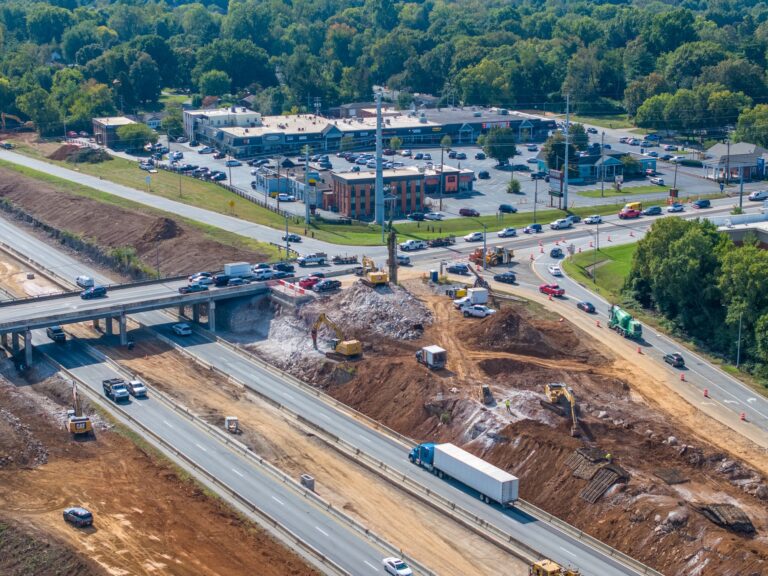
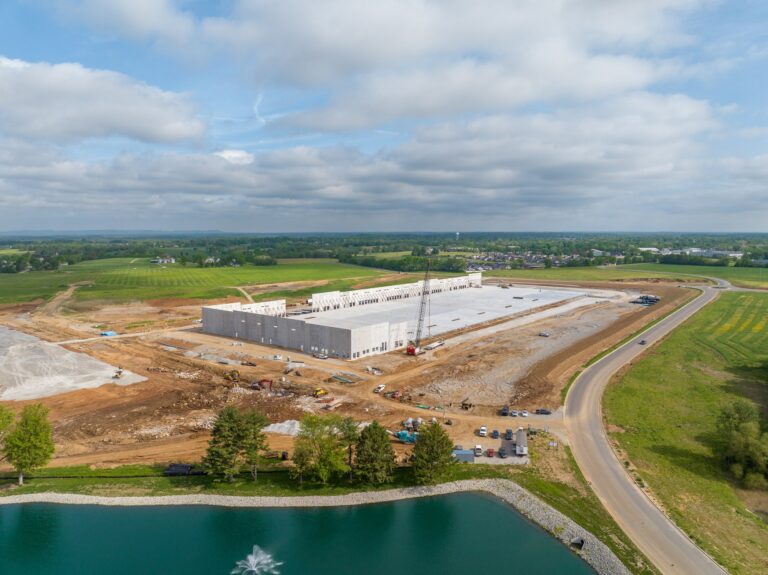
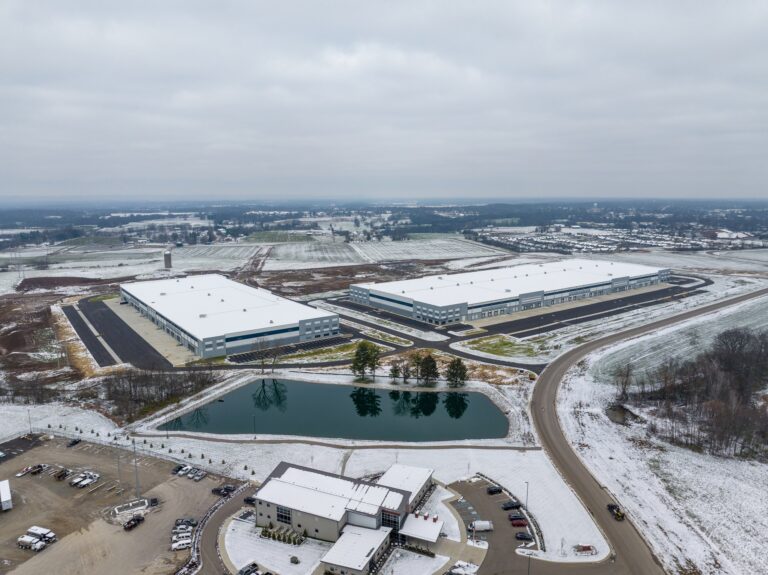
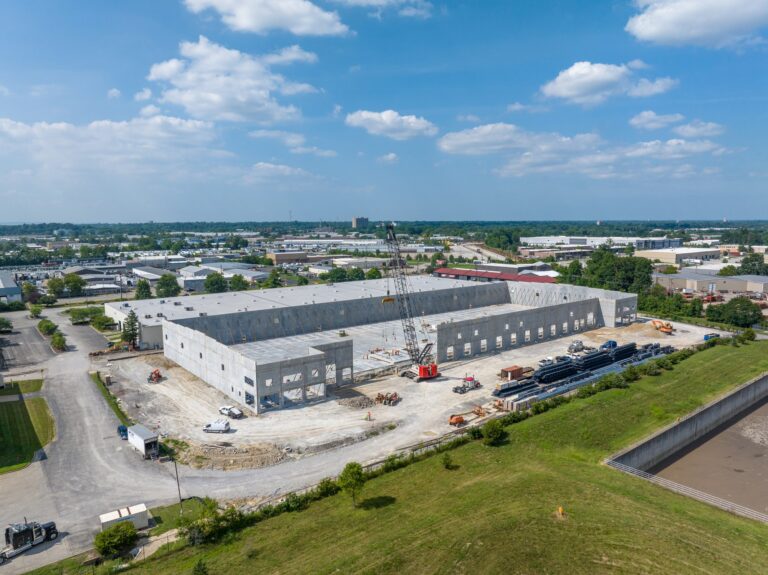
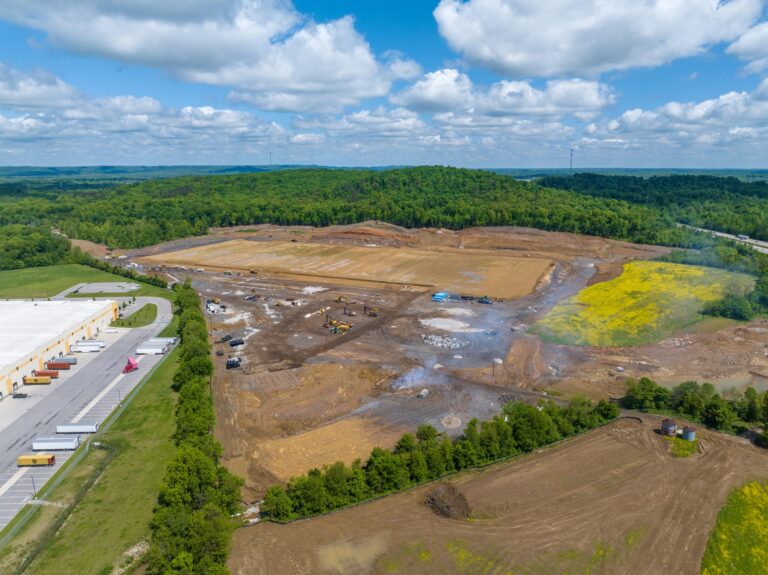
One flight over an Indiana jobsite, cut short.
THE VISIT
Five steps, about an hour
1. Check in
I find the superintendent or site contact, confirm what is happening today, and ask whether anything has moved since I spoke. This is where the shot list actually gets set.
2. Site walk
A quick look for the things that matter to a flight: overhead lines, crane radius, where crews are working, and a launch point that is clear of traffic and people.
3. Pre-flight
Aircraft checks, battery state, and confirming the airspace situation has not changed. Boring, and the reason nothing goes wrong.
4. Fly
The actual flying is the shortest part. Fixed positions first so the sequence stays comparable, then whatever is specific to this month.
5. Verify and leave
Footage checked on site before I pack up, because the worst possible discovery is a corrupt card back at the desk. Then I am gone without needing anything else from your team.
WHAT I NEED FROM YOU
Almost nothing, honestly
Site access and a name to check in with. That is the whole list. No spotter, no escort, no meeting, and no interruption to the work happening below.
The one thing genuinely worth five minutes of your time is telling me what is significant this month. A pour, a lift, a facade going on, a tie in. I can photograph a site competently without that. I can photograph what matters with it.
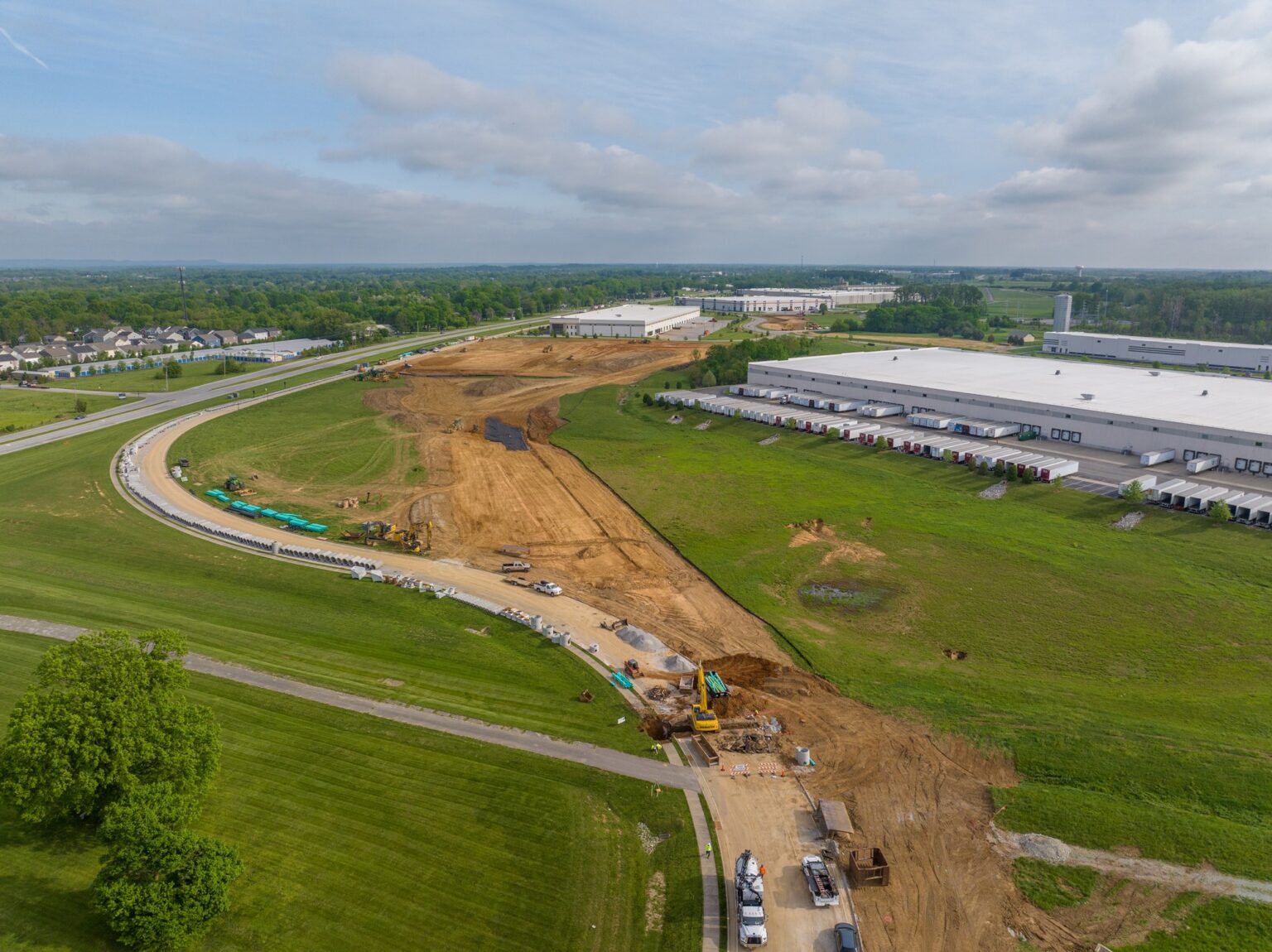
One pass over an active site, flown clear of crews and equipment.
SAFETY
Flown around your people, not over them
Operations are planned so the aircraft is not held over working crews. That is both a regulatory position and a practical one: an active site is no place to be casual with an aircraft, and a contractor should not have to supervise somebody else’s judgement.
If conditions on the day make a safe flight impossible, the flight does not happen. That call is mine to make and it is not negotiable, which is exactly the arrangement you want.
WHAT GOES WRONG, AND WHAT IT COSTS YOU
The failure modes, honestly
Most of what can go wrong on a progress shoot is boring and preventable, which is exactly why it is worth naming. Batteries in cold weather lose usable flight time, so winter visits carry more of them. Cards fail, which is why footage is verified on site rather than at a desk. Wind picks up mid-flight, which ends a shoot early rather than producing shaky frames.
The one that costs a client real money is a wasted visit: turning up on a day when the site is idle, or when the thing they wanted documented was covered up the week before. That is a communication failure rather than a technical one, and five minutes of warning about what is happening this month prevents nearly all of it.
None of these should become your problem. If a flight cannot happen safely or usefully, it moves. What you should never have to absorb is a set of poor images delivered anyway to justify the trip.
COMMON QUESTIONS
Having somebody on your site
Do you need a site induction?
If your GC requires one, yes, and it is done in advance rather than at the gate. Send whatever the process is when the visit is booked.
Will you interrupt the crews?
No. Nobody stops work, no area is cleared, and there is no escort needed. Flights are planned around where people are working.
Can my superintendent request specific shots?
Please. That is the single most valuable input available, and it is the difference between a competent set and a useful one.
How quickly do I get the files?
A dated set is delivered as a download link after the visit. If you have a reporting deadline, say so and the delivery is planned around it.
Can you photograph interiors while you are there?
Yes, and it often makes sense on the same trip. Ground and interior work is covered under video production and commercial photography.