CHOOSING A DELIVERABLE
Progress video or progress photos? How to choose for a Kentucky build
Most people ask for both and only need one. The difference is not budget, it is what you plan to do with the file after it lands in your inbox.
DELIVERABLES
Stills, video, or both
VIDEO
4K, ProRes on request
STILLS
Full resolution, unwatermarked
REGION
Kentucky and Indiana
THE SHORT ANSWER
Photos are for working. Video is for telling.
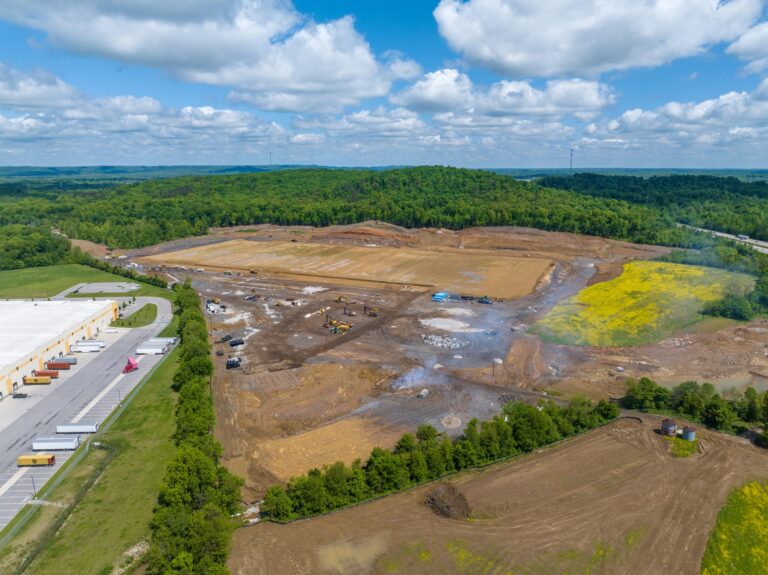
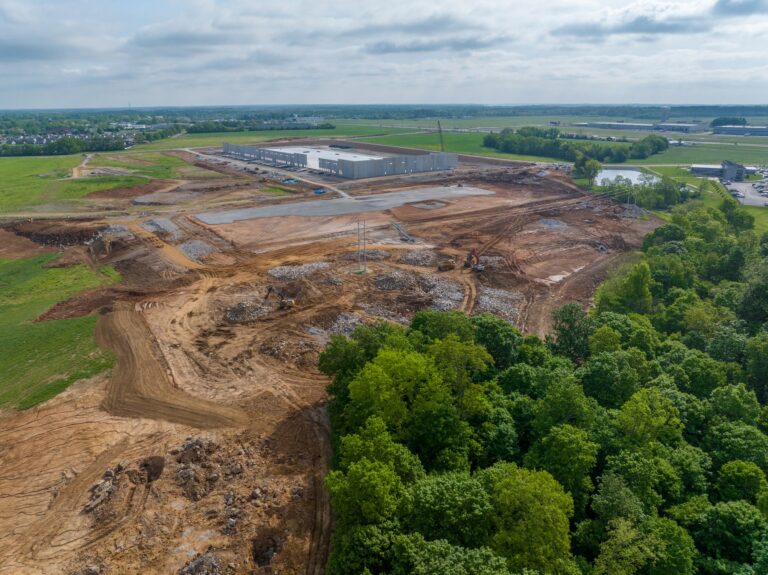
A still image gets opened in a meeting, dropped into a report, marked up with an arrow, and emailed to a sub. It is a working document. Nobody scrubs a timeline to find the moment the steel went up when a photograph of it is already in the folder.
Video does something a photograph cannot: it carries motion and sequence, which is what makes a project feel like an achievement rather than a status update. That is a marketing and stakeholder job, and it is a real one.
So the useful question is not which is better. It is whether this month’s flight is meant to help your team work or help your project be seen.
WATCH
What the video version looks like
The same site the stills came from, cut as a short progress piece.
PICK BY USE CASE
Where each one earns its place
Owner and lender updates
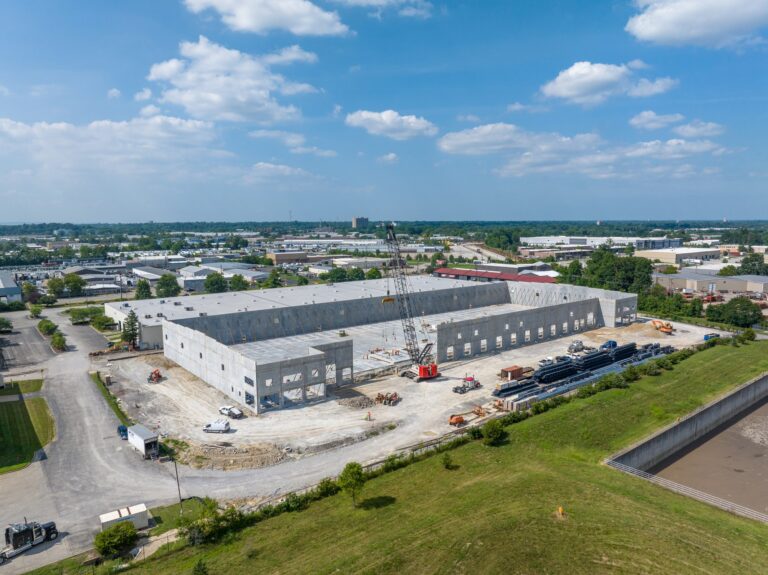
Stills. A dated set attached to the monthly report is faster to review than any video and it archives cleanly.
Coordination in the field
Stills, and specifically a top down one. Two people looking at the same image stop describing locations to each other.
Marketing and social
Video. Movement is what stops a scroll, and a thirty second cut outperforms a gallery every time.
Groundbreaking and topping out
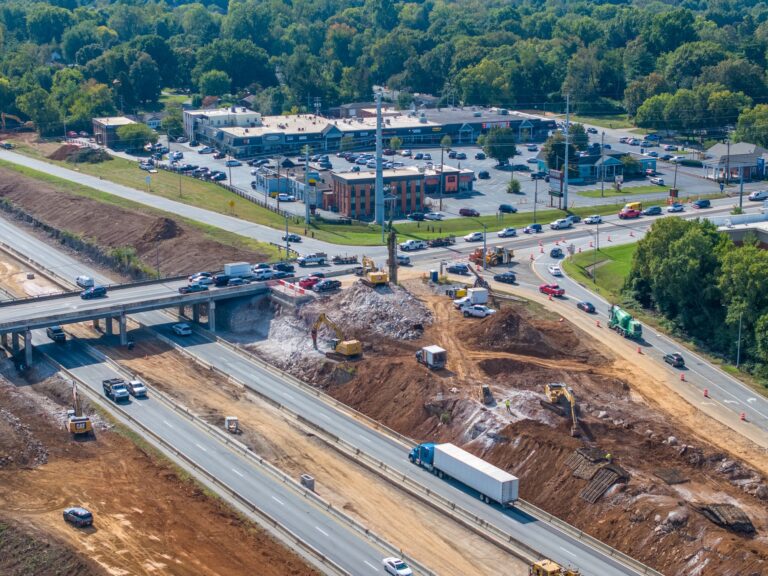
Video. These are events, and events have a before and after that a single frame flattens.
Closeout and awards packages
Both. The stills carry the documentation and a short cut carries the story.
Measuring and planning
Neither, strictly. That is a drone mapping job and it produces a different kind of file.
THE CASE FOR BOTH
When one flight covers it
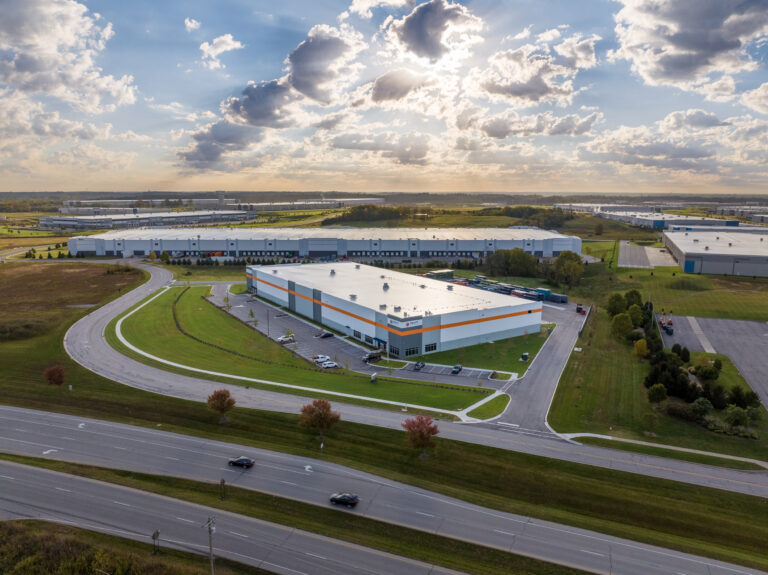
On most sites the aircraft is already up there, already in position, and already lit correctly. Capturing stills and video on the same flight costs a fraction of what two separate visits would.
That is the practical reason most monthly clients end up on both: not because they need both every month, but because saying yes once means the footage exists when somebody eventually asks for it. Unused footage is cheap. A milestone you did not film is gone.
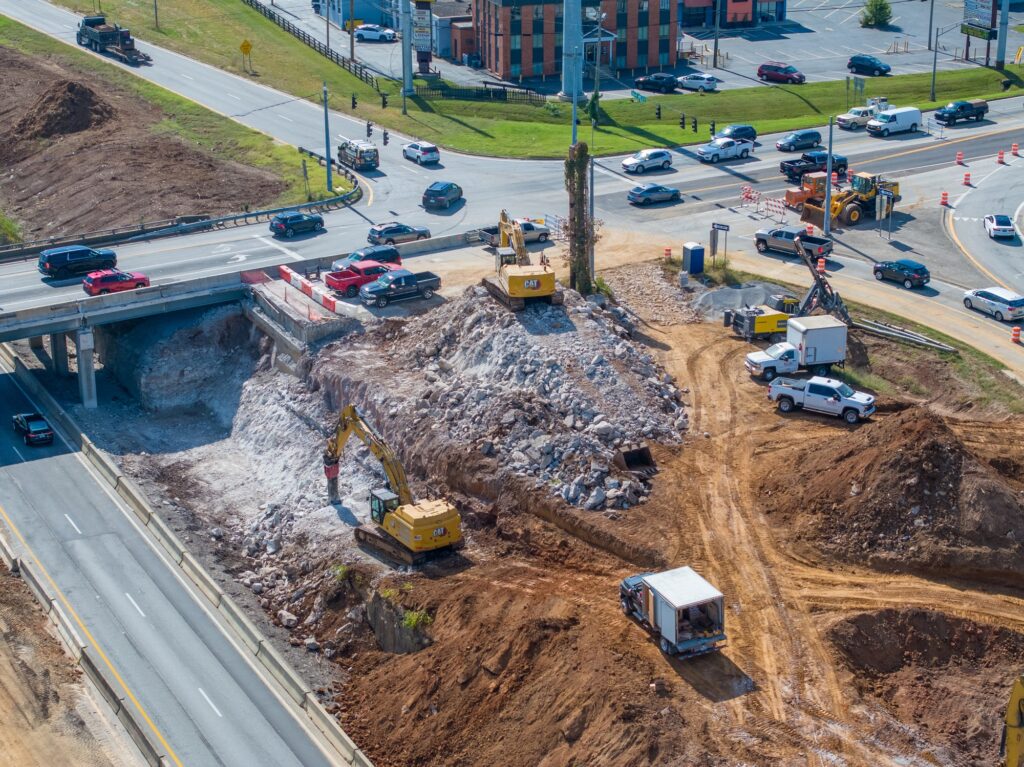
One flight, two deliverables: the same pass produces the report image and the opening shot.
COMMON QUESTIONS
Before you decide
Do I get the raw clips or a finished edit?
Either. Some clients have an editor and just want the footage handed over, sized and organised. Others want a finished cut back. Both are normal and it is worth saying which you are at the start.
Is the video usable if I have no music or voiceover?
Yes. A silent progress cut is the most common format for owner updates, and it avoids licensing questions entirely when it gets reposted.
Can I start with photos and add video later?
Yes, and it is often the right order. Photos prove the value quickly. Video makes sense once there is a milestone worth building a piece around.
Do the stills come watermarked or low resolution?
No. You get full resolution files you can print, crop, and publish. See construction progress for the full deliverable list.
THE PART THAT DECIDES IT
Who is going to open the file, and where
The honest test is not which deliverable is better. It is where the file ends up living. A still image survives being pasted into a report, attached to an email, printed at A3 for a site office wall, and marked up with an arrow by somebody who has never used editing software. Video survives none of that.
Video wins the moment the audience is more than one person at once, and especially when they are not on your team. A room, a screen at a company meeting, a post that has to stop somebody scrolling. It also carries something a photograph structurally cannot: the sense that a thing was built, over time, by people.
So the practical rule is that stills are the default for anything operational, video is the default for anything persuasive, and the only expensive mistake is discovering after the fact that a milestone worth persuading somebody with was never filmed.
WHAT IT MEANS ON THE DAY
Shooting for both without compromising either
Stills first
Fixed positions and the top down come first, while light and battery are best. These are the frames that must exist, so they are never the ones left to chance.
Video second
Movement is captured after the record shots are safe. A drifting orbit and a slow push read as intentional; the same moves rushed at the end of a battery do not.
Different settings
Stills want the sharpest possible frame. Video wants a shutter tied to frame rate for natural motion. They are genuinely different configurations, which is why “just grab both” is a real decision and not a free one.
One deliverable set
Both arrive named and dated together, so a year later nobody is trying to work out which folder matched which month.
KENTUCKY CONSTRUCTION DOCUMENTATION
Not sure which one you need?
Aerial capture by Aerial Photography Louisville.